Source Food Grade Silicone Beads for Jewelry, Teething, and Crafts
Source food grade silicone beads from 30 verified listings. Compare specifications including sizes from 9mm to 22mm, certifications like LFGB and CPSIA, and packaging options to find suitable materials for jewelry making, baby teething products, and general crafting applications.
Key considerations
Products List






Comprehensive Sourcing Guide
Food Grade Silicone Beads Sourcing Guide
Sourcing food grade silicone beads requires a disciplined approach to material verification, as these components serve as critical touchpoints for infants and toddlers during the teething process. Buyers must distinguish between general-purpose silicone and those specifically engineered for oral contact, ensuring that the raw material meets stringent safety thresholds for chemical migration and physical durability. The procurement strategy should prioritize suppliers who provide transparent material declarations and third-party testing results, as the integrity of the product directly impacts consumer trust and regulatory compliance in international markets.
This guide outlines the essential verification steps for sourcing these beads, focusing on technical specifications, compliance documentation, and commercial terms. By adhering to the observed market signals and established safety standards, procurement professionals can mitigate risks associated with material defects and regulatory non-compliance. The following sections provide a structured framework for evaluating suppliers, interpreting product data, and establishing quality control protocols that align with global safety expectations for baby care accessories.
Product Scope and Observed Listing Signals
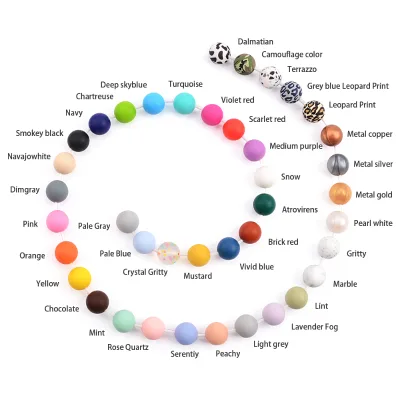
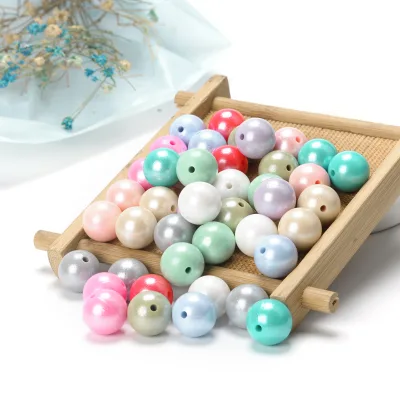
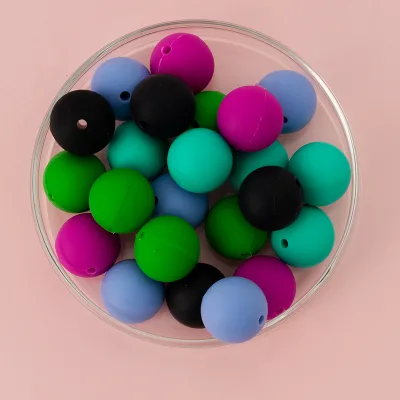
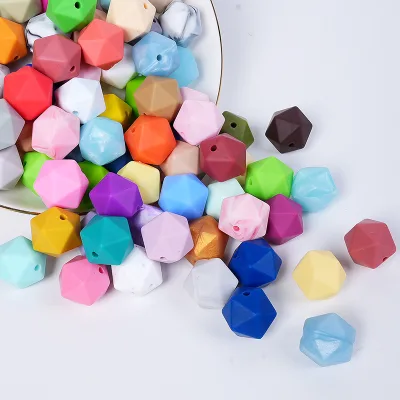
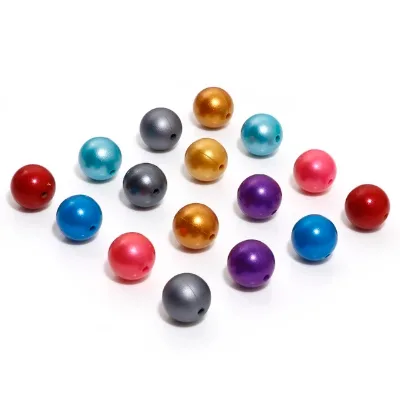
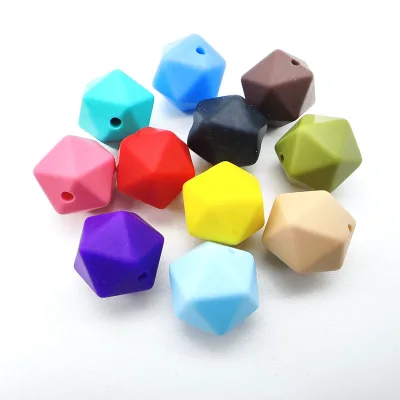
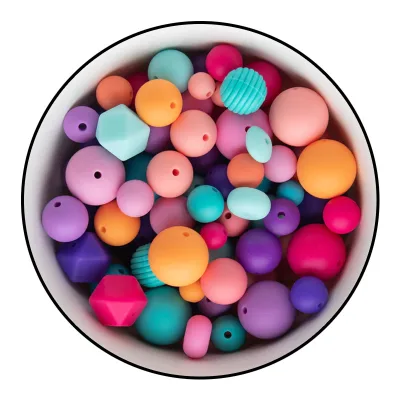
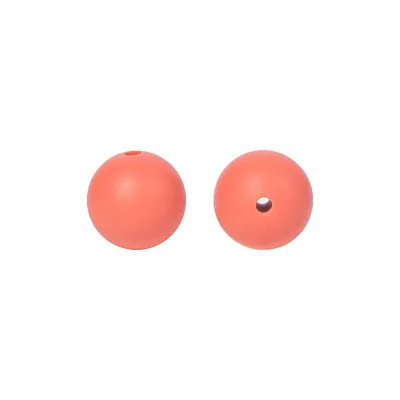
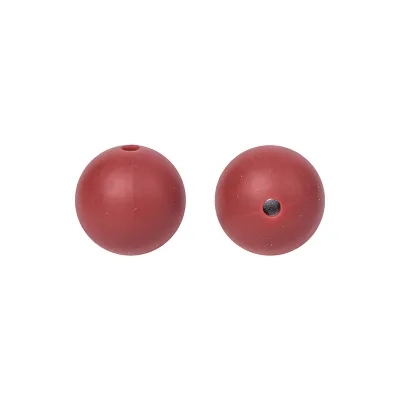
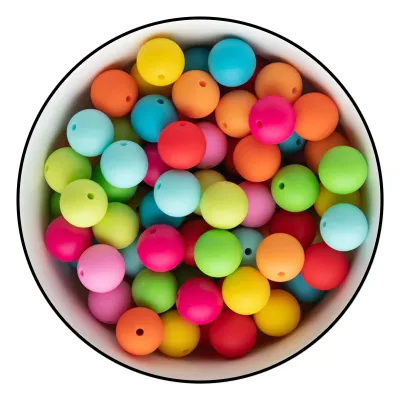
The current market for silicone teething beads presents a diverse range of options, characterized by significant variability in color palettes, sizes, and packaging formats. Listings frequently highlight multicolor assortments, including shades such as pink, turquoise, mint, and various neutrals like snow and dimgray, catering to aesthetic preferences in jewelry making and baby product design. The observed product attributes indicate a strong emphasis on customization, with suppliers offering individual adhesive OPP bags and customized packaging solutions to meet specific branding requirements. Buyers should note that while many listings advertise "food grade" status, the actual material composition can vary, with some entries specifying "silicone rubber" or "other loose beads material," necessitating careful scrutiny of the technical data sheets.
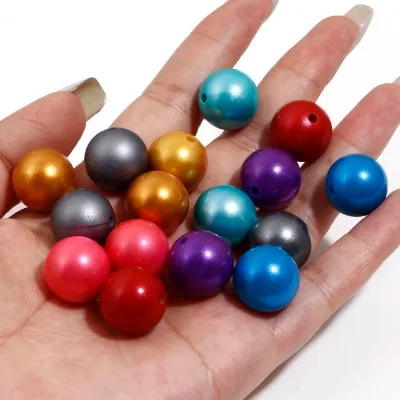
Size and weight specifications are critical differentiators in this category, with item diameters ranging from 9mm to 22mm and individual bead weights varying from 2g to 5.7g depending on the specific model. The packaging dimensions observed, such as 10x8x3 cm per batch, suggest a compact logistics profile, which can influence shipping costs and inventory management strategies. Additionally, supply ability metrics indicate that some suppliers can deliver up to 10,000 pieces per day, while others operate on a weekly basis with lower capacities. Procurement teams must align their order volumes with these supply constraints, particularly when planning for seasonal peaks or large-scale retail distributions, to avoid lead time delays.
Technical Specifications to Verify
Verifying the physical dimensions and material properties of silicone beads is essential to ensure compatibility with finished jewelry designs and safety standards. The item diameter is a primary specification, with common sizes including 9mm, 12mm, 15mm, 19mm, and 22mm, each serving different aesthetic and functional purposes in teething necklaces. Buyers should confirm the exact diameter tolerance, as variations can affect the uniformity of the final product and the ease of stringing. Furthermore, the temperature resistance range, observed in some listings as -60℃ to 200℃, is a key technical indicator of the silicone's quality and stability, ensuring that the beads can withstand sterilization processes without degrading or releasing harmful substances.
Material composition must be explicitly defined as food grade silicone, distinct from general-purpose silicone rubber or other unspecified materials. The presence of BPA-free declarations is a baseline expectation, but buyers should also verify the absence of phthalates, latex, and other allergens that could pose health risks to infants. The gross weight per batch and single package weight are important for calculating landed costs and shipping logistics, with observed values ranging from 0.030 kg to 0.533 kg depending on the quantity and packaging density. Procurement specialists should request detailed material safety data sheets (MSDS) to confirm the chemical composition and ensure that the silicone meets the specific performance requirements for chewable products.
Compliance and Safety Documentation
Compliance with international safety standards is non-negotiable for food grade silicone beads, given their intended use by infants. Certifications such as LFGB, CPSIA, ASTM F963, EN71, CE, and ASNZS ISO 8124 are commonly cited in product listings, indicating adherence to rigorous testing protocols for chemical migration, mechanical hazards, and flammability. Buyers must verify that these certifications are issued by accredited third-party appraisal agencies and are current, as outdated or self-declared certifications may not hold up during customs inspections or retail audits. The specific standard requirements vary by region, with CPSIA being critical for the US market and EN71 for Europe, necessitating a tailored compliance strategy based on the target destination.
In addition to product-specific certifications, buyers should assess the supplier's overall quality management systems and their ability to provide batch-specific test reports. The presence of a "Third Party Appraisal" certificate type suggests an external validation of quality, but it is essential to understand the scope of this appraisal and whether it covers the specific material grade and manufacturing process. Documentation should also include proof of BPA-free status and compliance with EU Regulation 1935/2004 for materials intended to come into contact with food, as this regulation sets general safety requirements for all food contact materials. Procurement teams should maintain a centralized repository of these documents to facilitate quick responses to customer inquiries and regulatory audits.
Cost Drivers and Commercial Terms
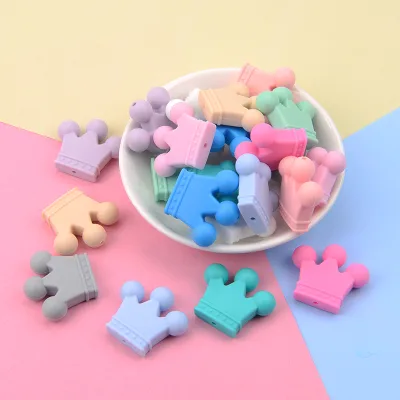
The cost structure for silicone teething beads is influenced by several factors, including material quality, color complexity, and order volume. The observed price range of $0.01 to $7.88 per unit reflects significant variation based on these variables, with higher prices typically associated with premium food grade materials, intricate color blends, or specialized shapes such as crown designs. Minimum order quantities (MOQ) also play a crucial role in pricing, with some suppliers offering low MOQs of 1 piece per color for sampling, while others require bulk orders of 1,000 pieces or more to achieve competitive unit costs. Buyers should negotiate tiered pricing structures that reward larger volumes while maintaining flexibility for initial trial orders.
Lead times and payment terms are additional commercial considerations that impact the overall procurement cost and cash flow. Observed lead times of 3-5 days for quantities below 1,000 pieces indicate a responsive supply chain, but larger orders may require extended production schedules. Buyers should clarify whether these lead times include packaging and shipping or are limited to production only, as delays in logistics can disrupt inventory planning. Payment terms should be aligned with risk mitigation strategies, such as using secure payment methods or escrow services for new suppliers, to protect against non-delivery or quality disputes. Understanding the total landed cost, including duties and taxes, is essential for accurate margin calculation and pricing strategy.
Supplier Qualification and Quality Control
Evaluating supplier qualifications is a critical step in ensuring a reliable supply of food grade silicone beads. Buyers should verify the supplier's place of origin, with Guangdong, China, being a common hub for silicone manufacturing, and assess their production capabilities, including equipment modernity and quality control processes. The ability to customize colors and sizes is a valuable attribute, but it requires robust quality control measures to maintain consistency across batches. Suppliers should demonstrate a clear understanding of food grade standards and have established protocols for raw material inspection, in-process monitoring, and final product testing.
Quality control checks should include visual inspections for defects such as air bubbles, discoloration, or surface imperfections, as well as physical tests for durability and tear resistance. Buyers should request samples to evaluate the tactile quality and flexibility of the beads, ensuring they are soft enough for infant use but durable enough to withstand chewing. Implementing a sampling protocol before placing bulk orders is essential to validate the supplier's claims and identify any potential issues early in the sourcing process. Establishing a clear communication channel with the supplier for addressing quality concerns and requesting corrective actions is vital for maintaining long-term partnership stability.
Long-Term Procurement Checks
Maintaining a sustainable procurement strategy for food grade silicone beads requires ongoing monitoring of supplier performance and market trends. Regular audits of supplier quality systems and compliance documentation are necessary to ensure continued adherence to safety standards, especially as regulations evolve. Buyers should track key performance indicators such as on-time delivery rates, defect rates, and responsiveness to issues, using this data to inform future sourcing decisions and supplier evaluations. Building a diversified supplier base can mitigate risks associated with single-source dependencies and provide flexibility in responding to market fluctuations.
Continuous engagement with industry associations and regulatory bodies can provide valuable insights into emerging safety standards and best practices for food contact materials. Buyers should stay informed about changes in certification requirements and testing protocols, ensuring that their sourcing practices remain compliant with the latest regulations. Additionally, fostering a collaborative relationship with suppliers can lead to innovations in material technology and design, enhancing the value proposition of the final product. By prioritizing transparency, quality, and compliance, procurement professionals can build a resilient supply chain that supports the long-term success of their food grade silicone bead offerings.
FAQs
What certifications do the silicone teething beads have?
The beads hold multiple safety certifications including LFGB, CPSIA, ASTM F963, EN71, CE, and ASNZSISO8124. They are also verified as BPA Free by third-party appraisal to ensure safety for infants and children during teething.
How fast can I receive an order under 1000 pieces?
Orders below 1000 pieces can be shipped within 3 to 5 days. This lead time applies specifically to quantities under the 1000-piece threshold, ensuring quick turnaround for smaller wholesale batches.
What is the minimum order quantity per color?
The minimum order quantity is one piece per color. This low MOQ allows buyers to test various colors like pink, yellow, or navy without committing to large initial stock volumes.
Which sizes are available for the silicone beads?
Available sizes include 9mm, 12mm, 15mm, 19mm, and 22mm diameters. Some specific models also offer dimensions like 30 by 34.7 by 9mm, providing flexibility for different jewelry making needs.
Can I customize the color and packaging of the beads?
Customization is available for both colors and packaging. Buyers can choose from a wide range of colors such as rose quartz or mint and select individual adhesive OPP bags or customized packaging options.
What material is used to make these teething beads?
The beads are made from food grade silicone or silicone rubber. This material is safe for chewing and can withstand temperatures ranging from negative 60 degrees Celsius to 200 degrees Celsius.
Where are these silicone beads manufactured?
The place of origin is Guangdong, China. Products are dispatched from the port of Shenzhen, ensuring efficient logistics for international buyers sourcing from this specific manufacturing region.